

- KR Bharat
- 2025-10-22
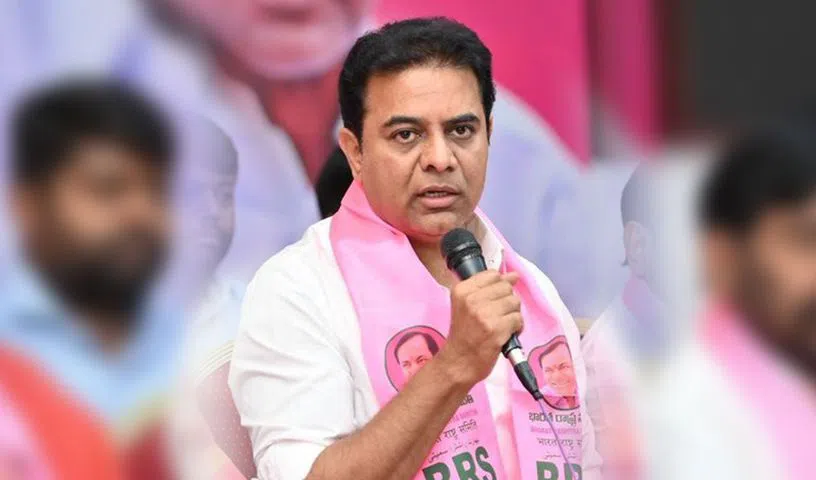
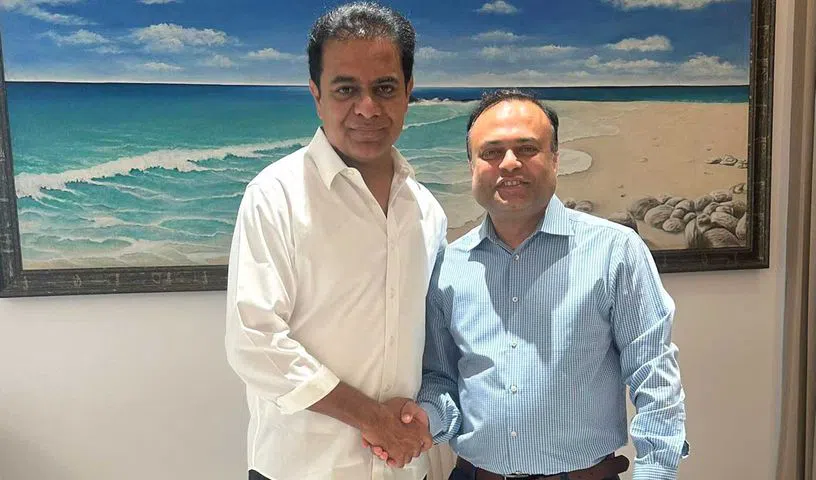
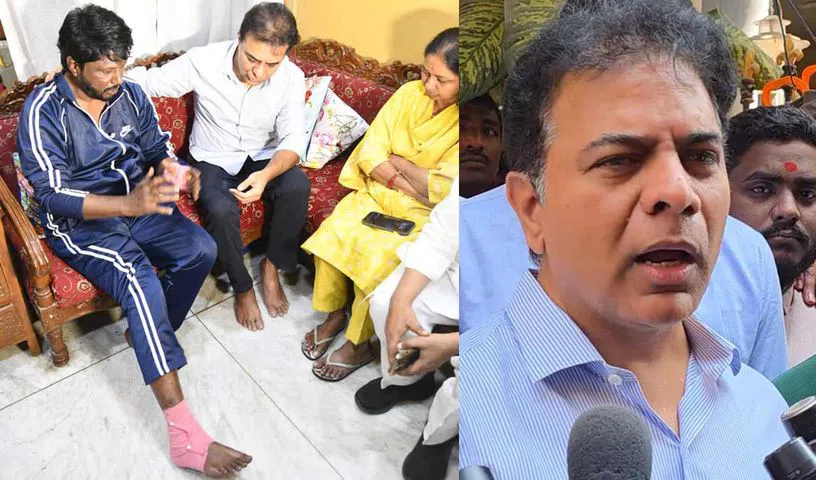
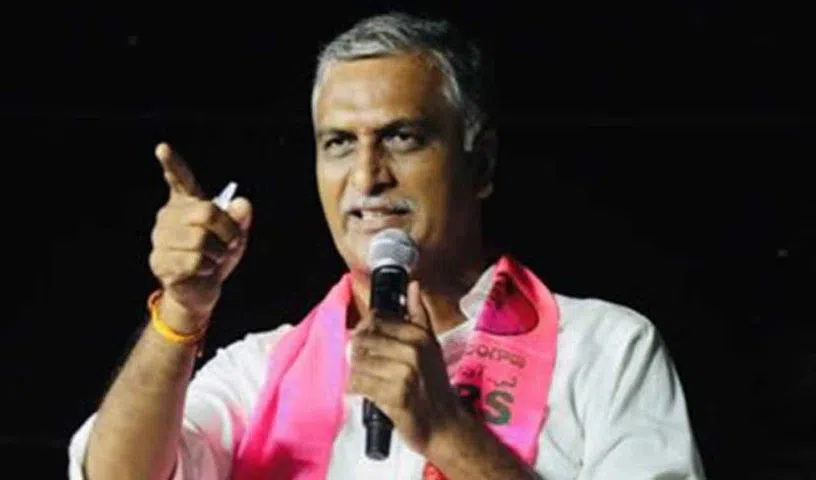
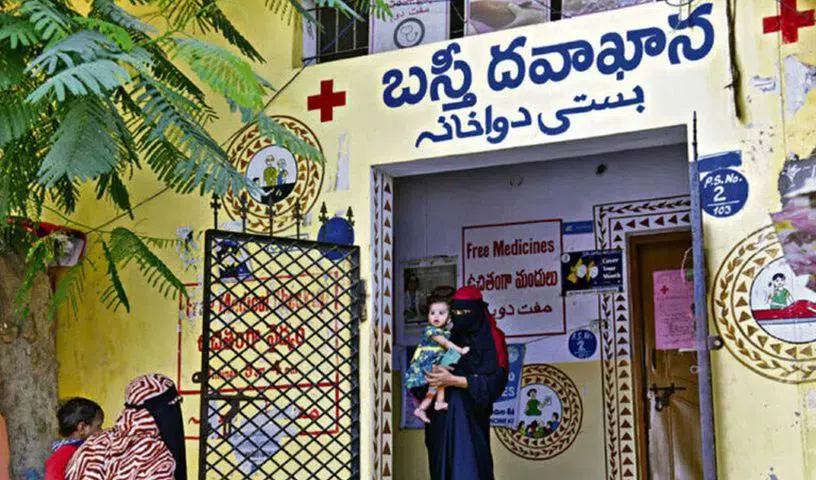
The Basti Dawakhanas scheme — intended to provide free primary health care services, outpatient consultations, medicines and basic diagnostics to urban slums in Telangana — is reportedly facing serious erosion in its core services. According to inspections by the Bharat Rashtra Samithi (BRS), multiple centres have been found lacking essential medicines, staff are unpaid for months, and basic operational infrastructure is deteriorating.
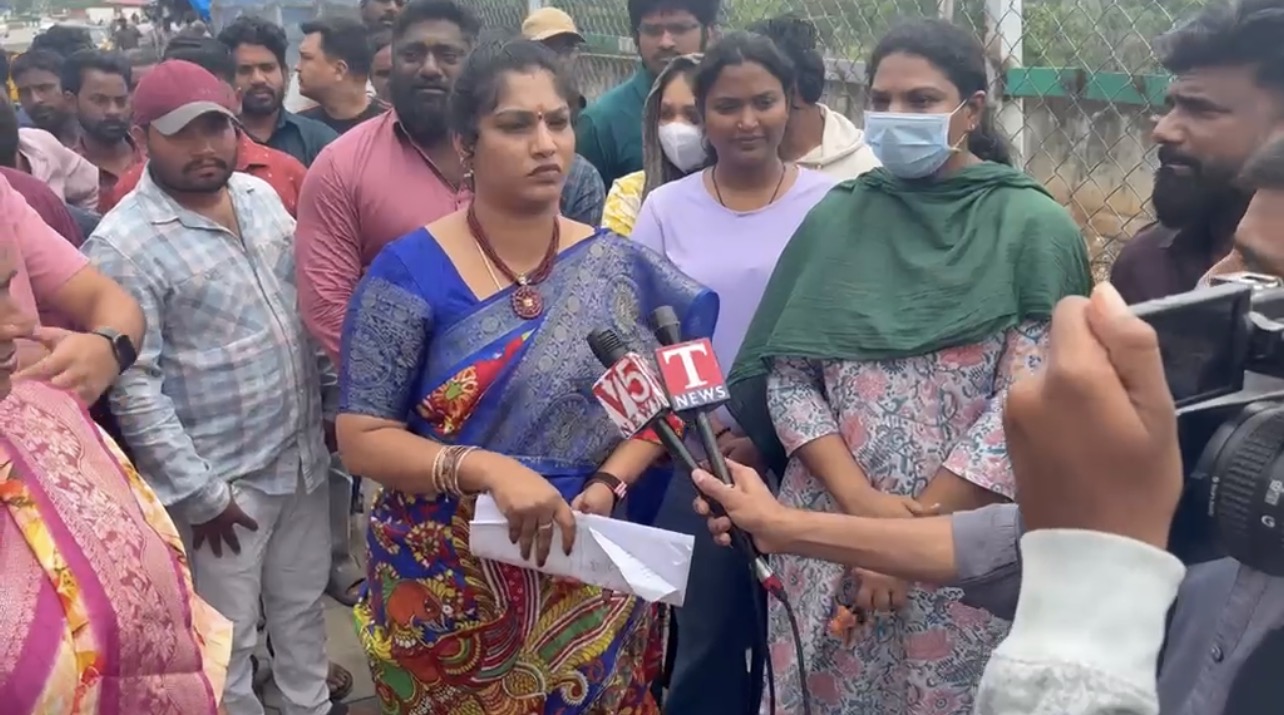
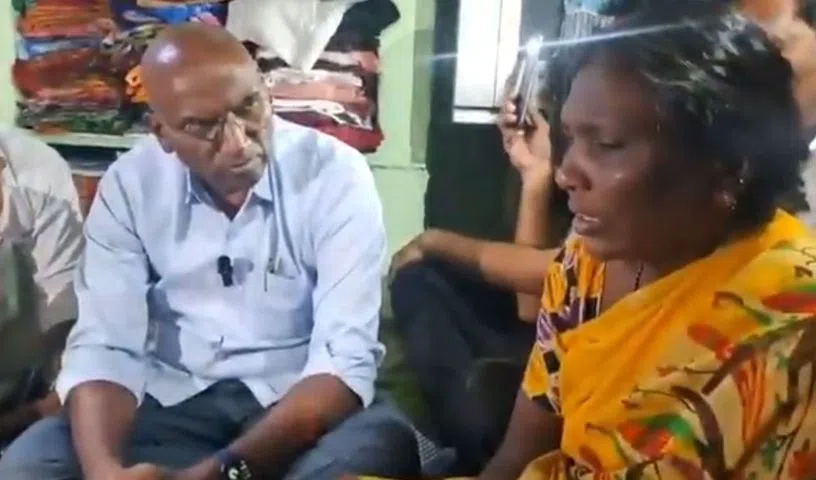
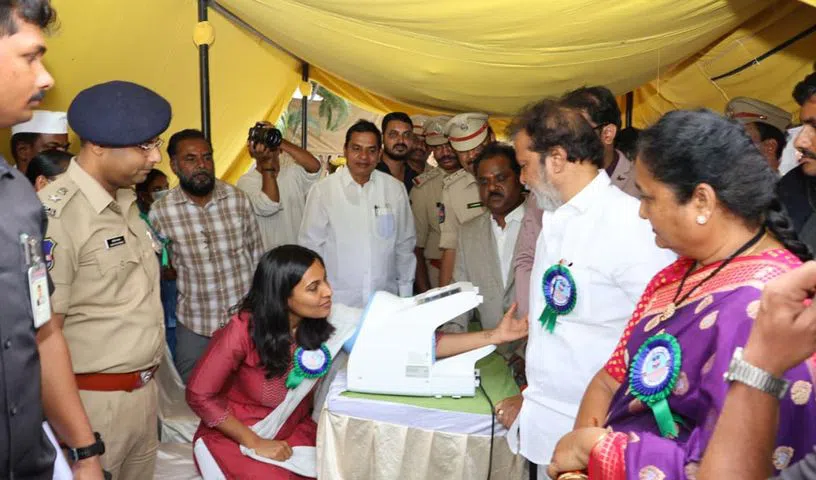
For example, during a visit to a clinic in Rasoolpura, Hyderabad, leaked reports revealed that patients were being given medicines that had expired three months ago. Staff at several Dawakhanas say they have not been paid salaries for four to six months, and the supply of “108 essential medicines” (a benchmark under the scheme) has been heavily disrupted — only around 60–70 remain in stock in some units. There are also claims that telemedicine services, which were supposed to link Dawakhanas with specialist care, are under-utilised and poorly integrated, effectively reducing the centres’ capacity to handle anything beyond routine complaints.
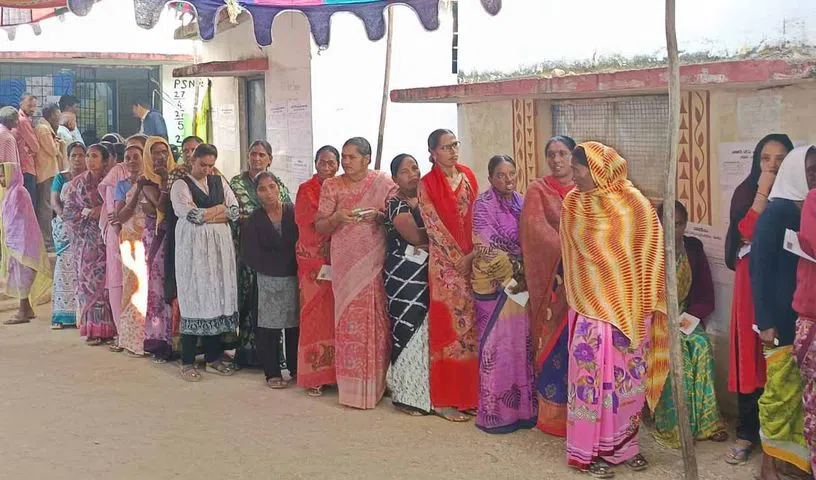
This decline is particularly worrying because the scheme was launched to relieve pressure on larger hospitals by enabling accessible, free primary care in underserved areas. State documents show that the Dawakhanas were to offer 53 kinds of free services including OPD consultations, medicines, antenatal/postnatal care and screening for non-communicable diseases. With their erosion, people in the urban poor segments may now face longer travel, higher out-of-pocket costs and delays for what were supposed to be first-point‐of‐contact facilities.
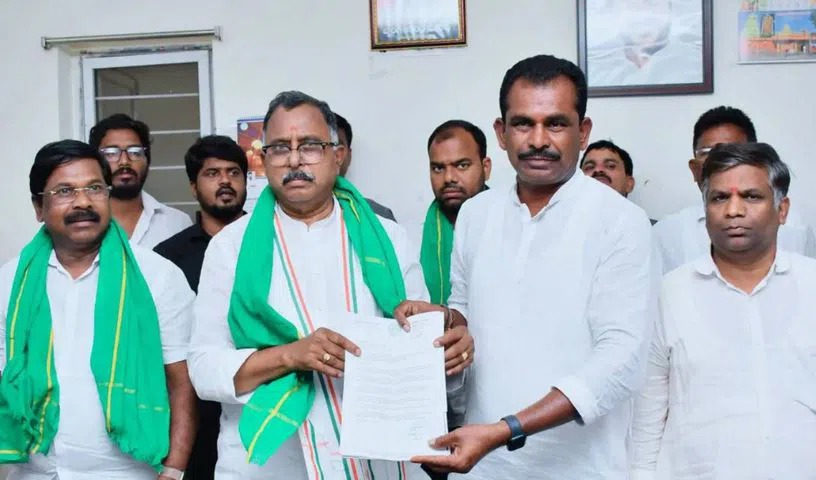
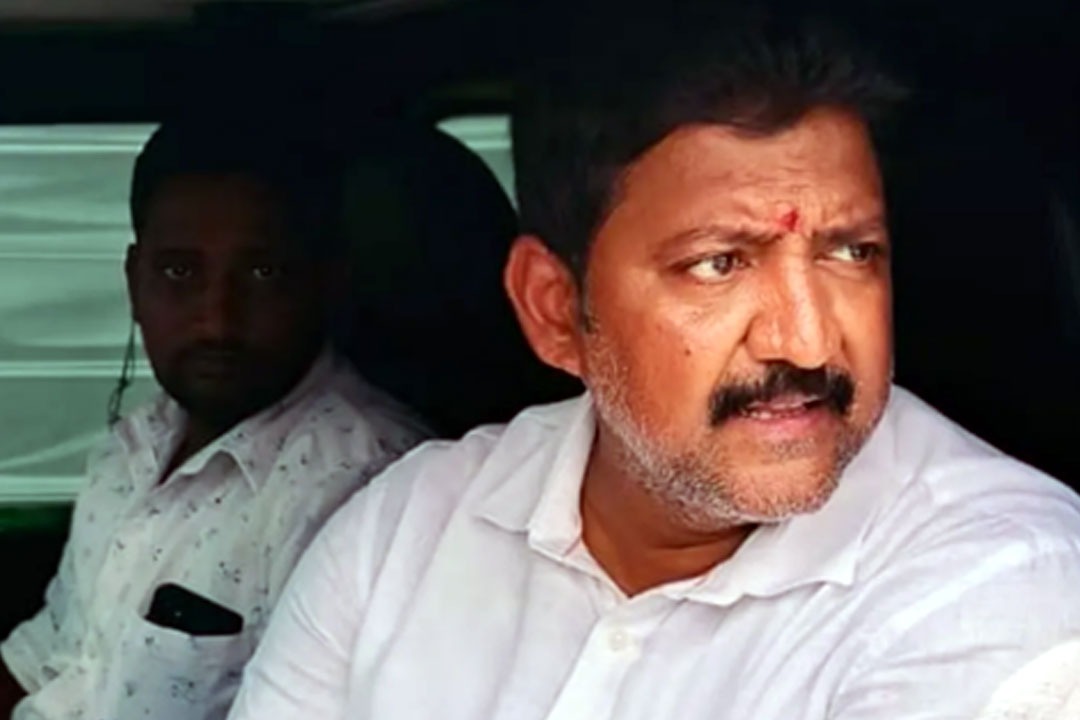
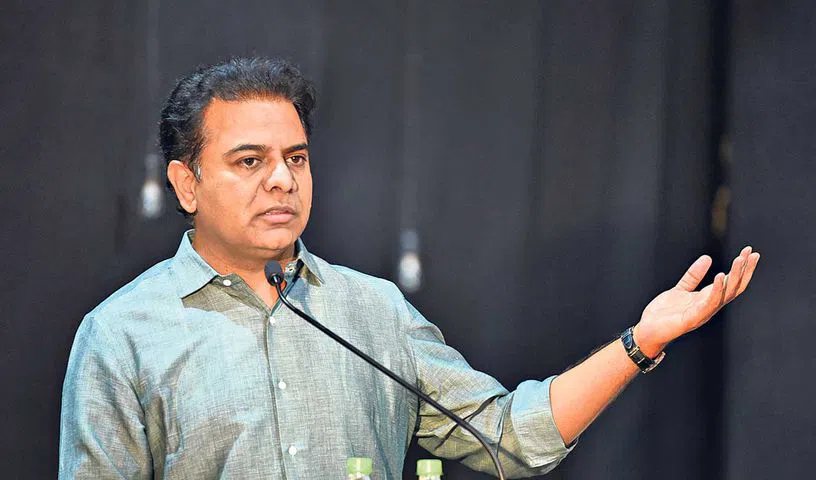
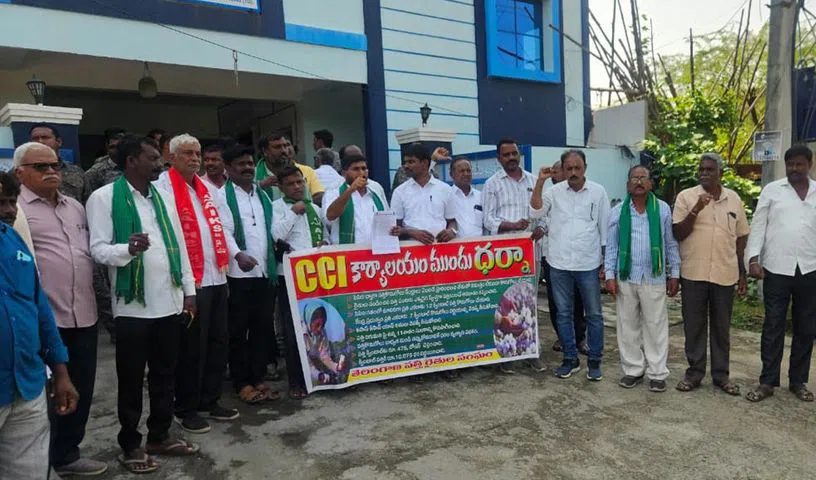
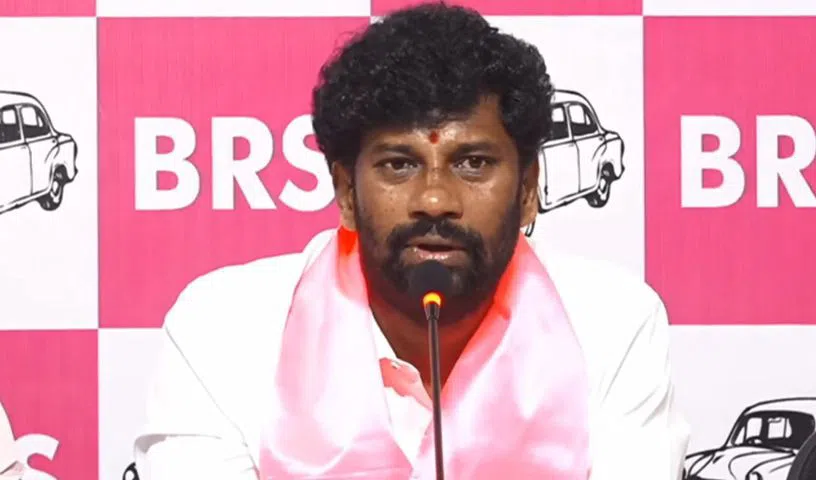
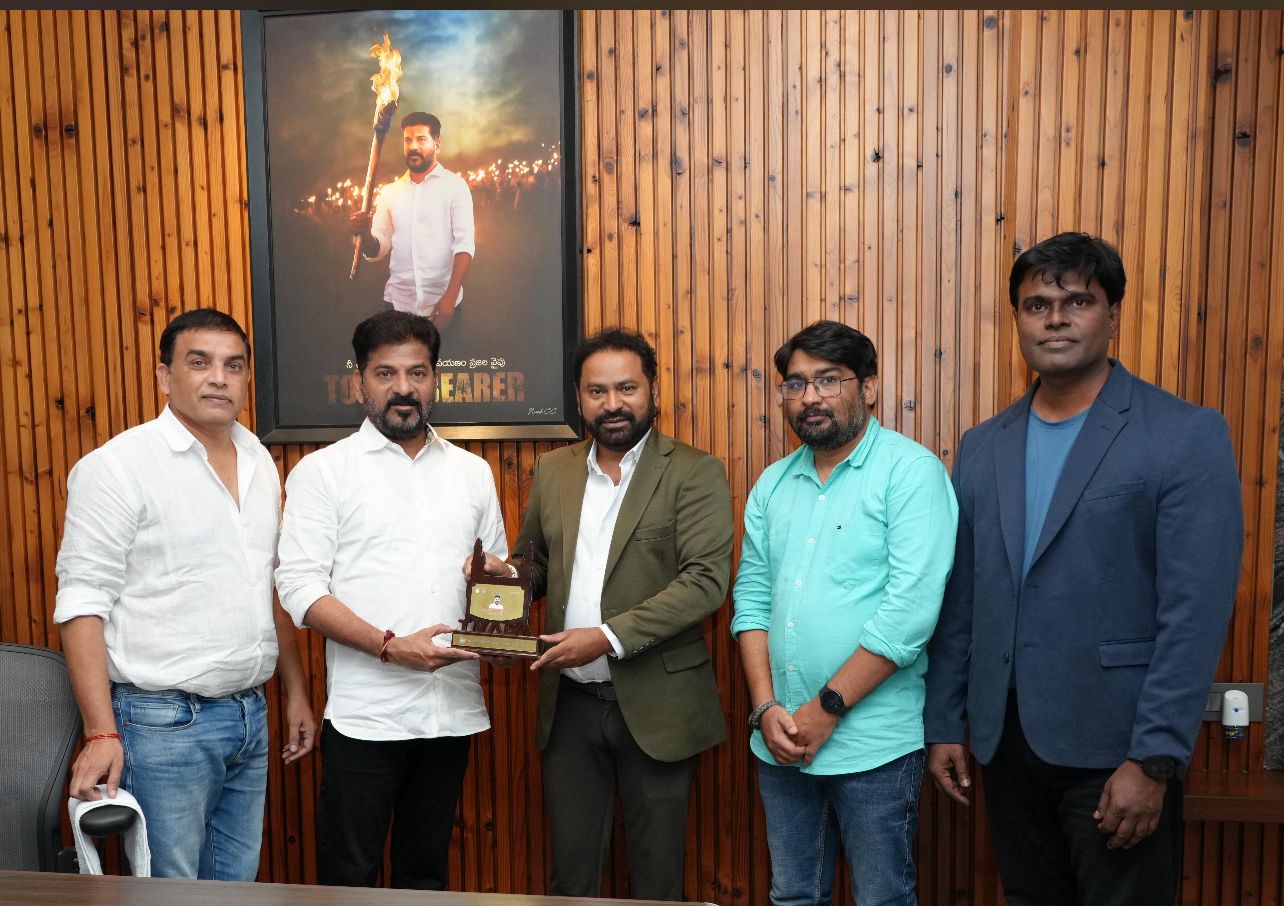
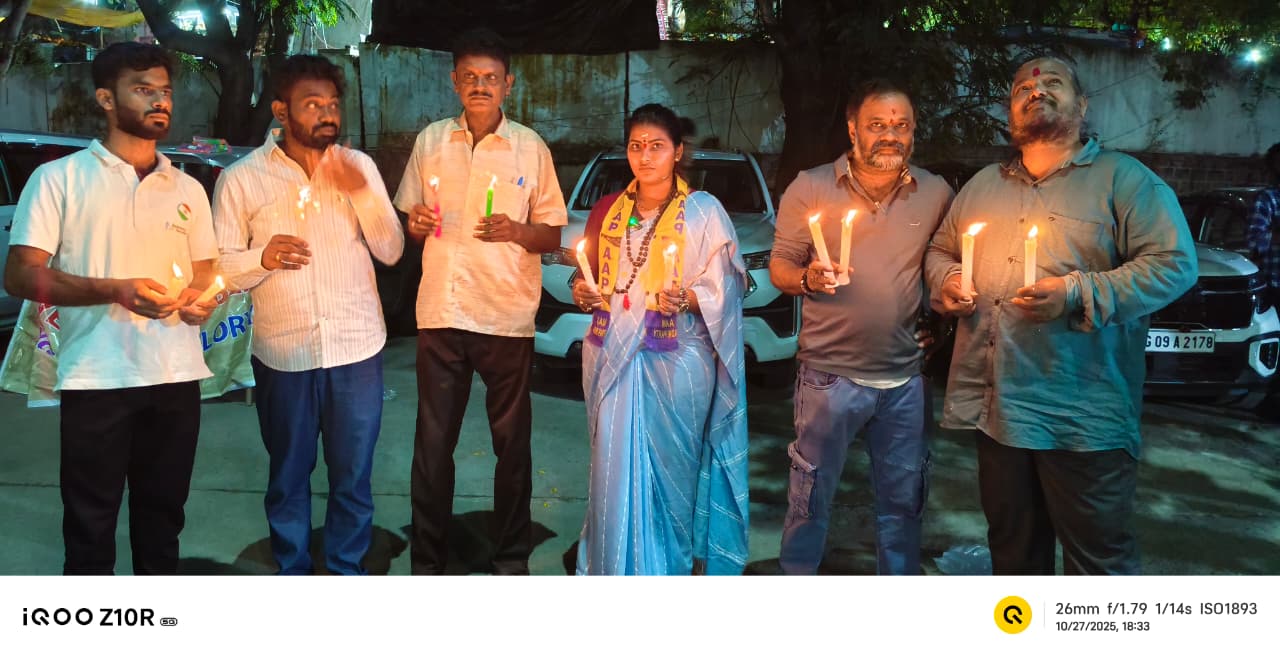
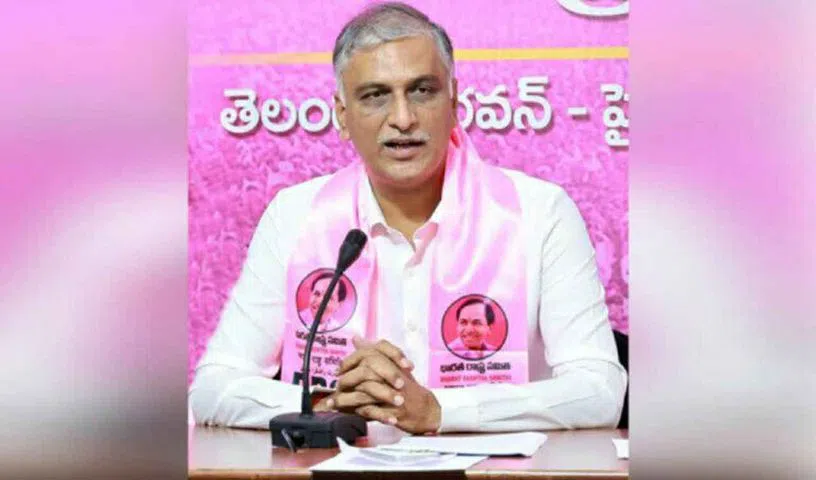
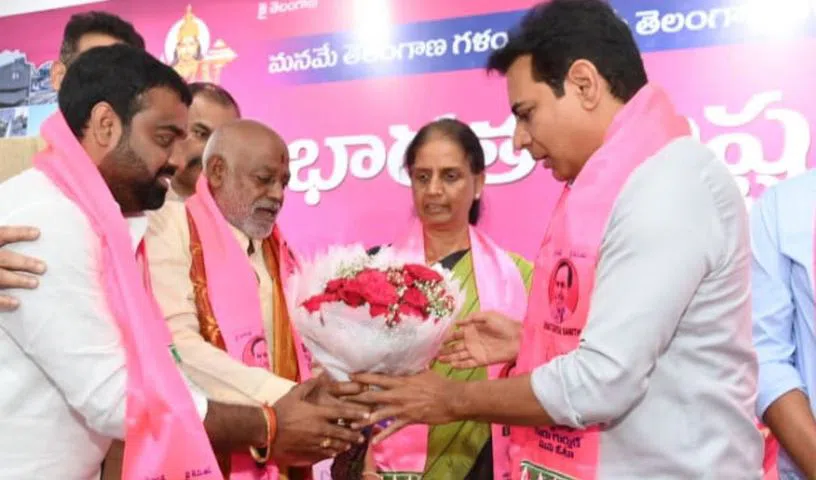
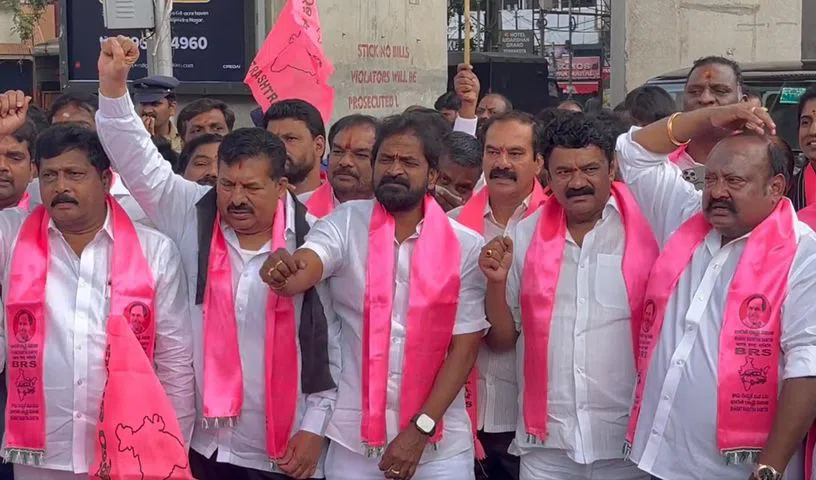
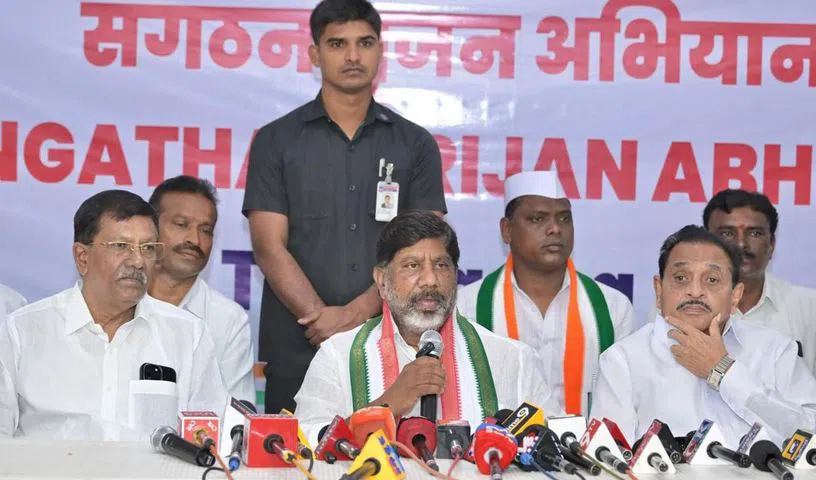
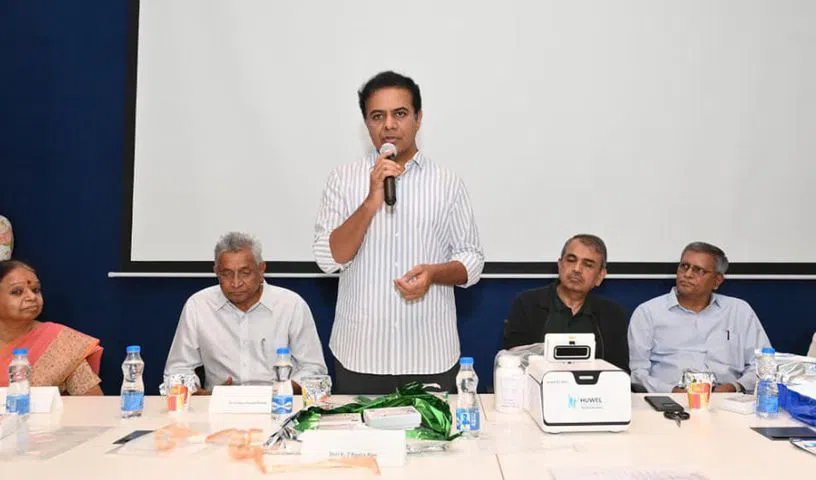
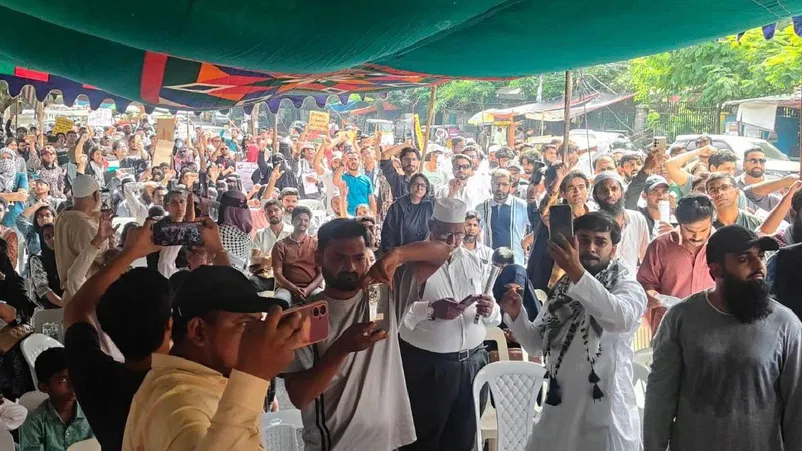
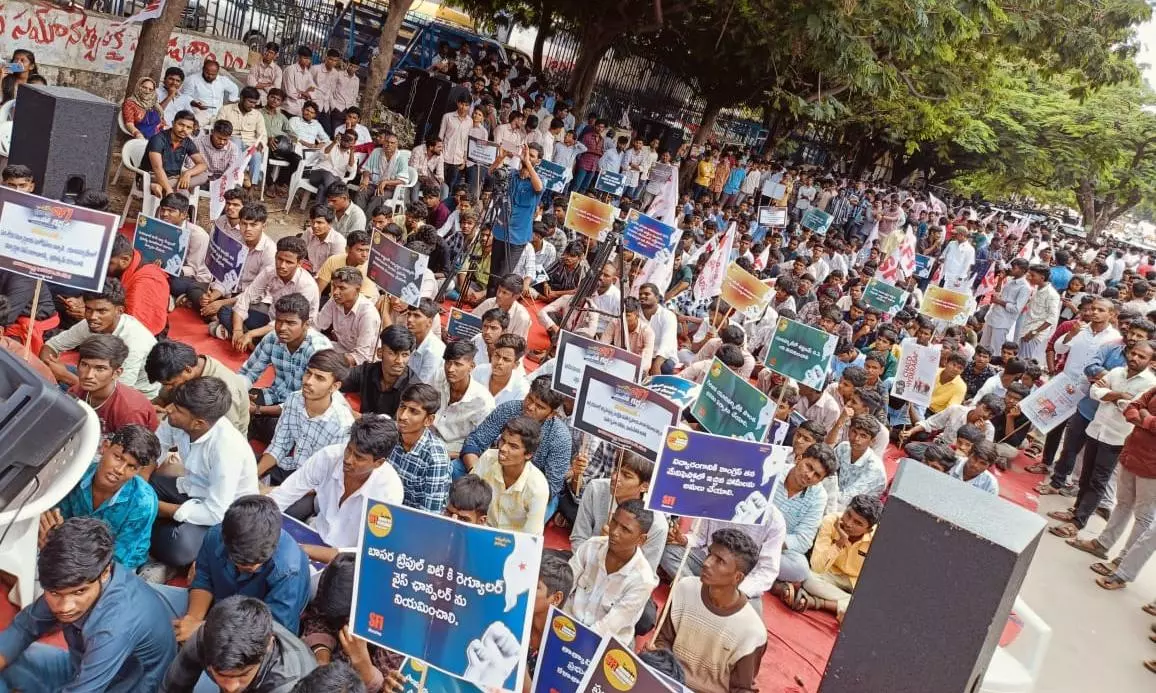
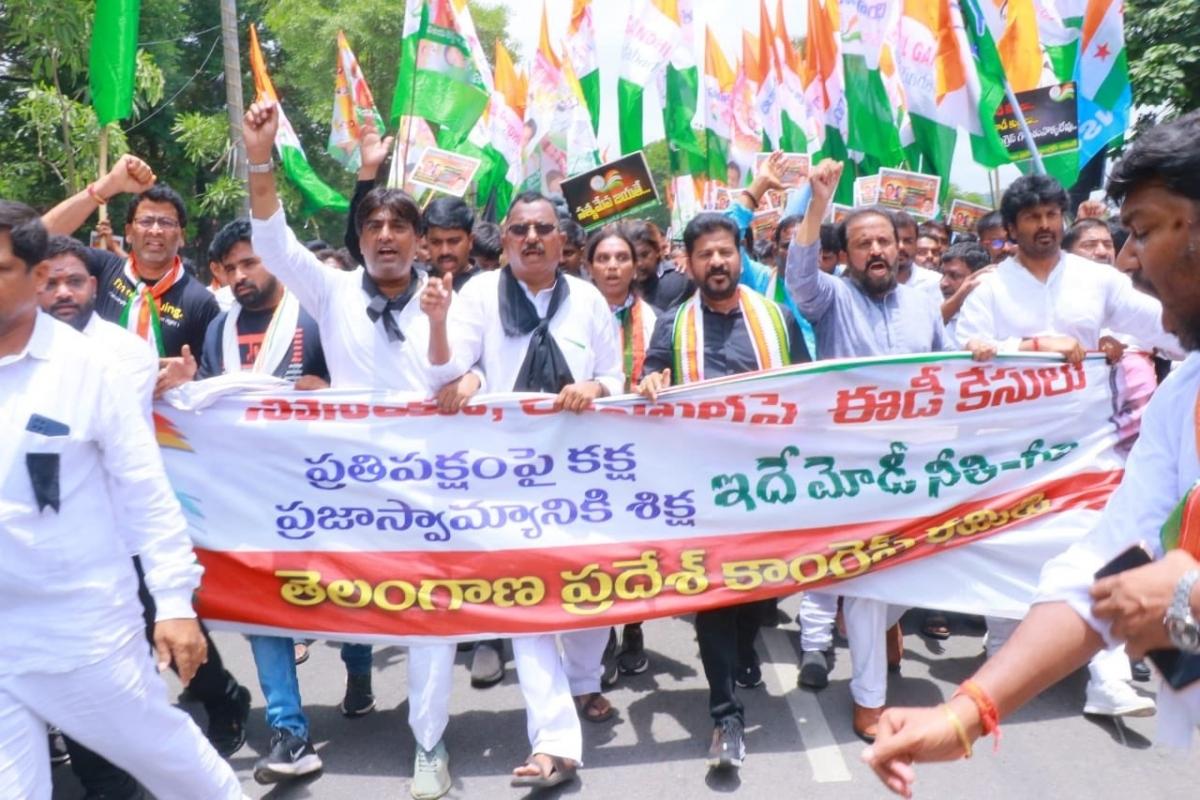
In response, BRS leaders have called for immediate government action: clearing salary arrears for staff, restoring full medicine stocks, conducting diagnostics free of charge, and halting closures of clinics. They also warned of mobilisations if the issues are not addressed. Whether the state government will publicly acknowledge these issues, commit additional funding, or reform the oversight of the scheme remains to be seen.