Massive Explosion at Qatar

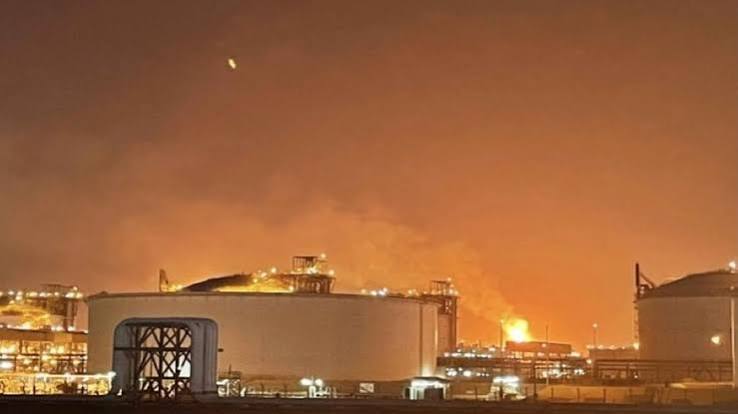
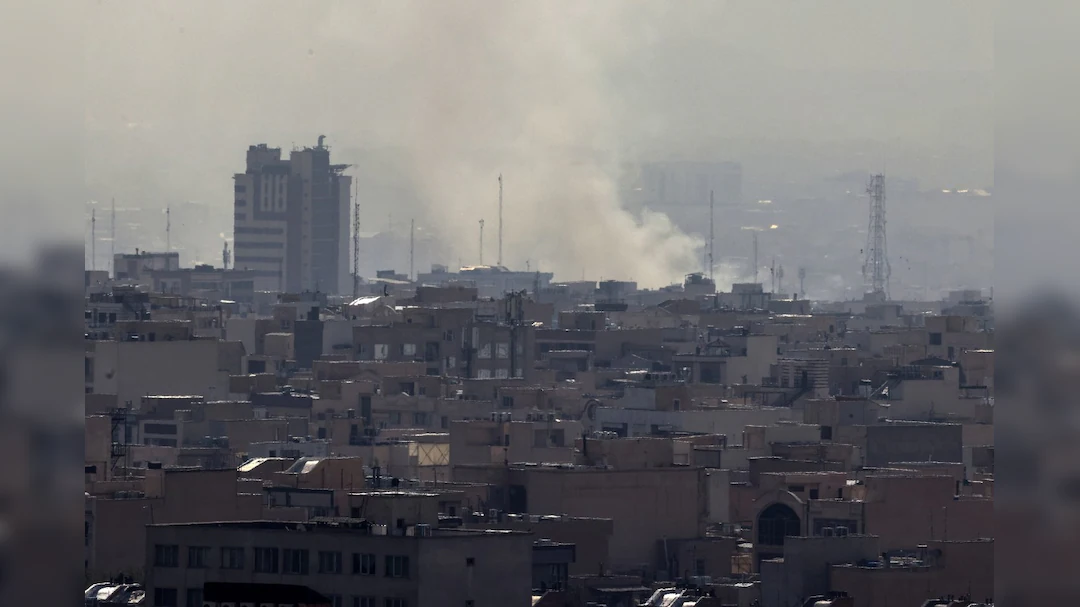
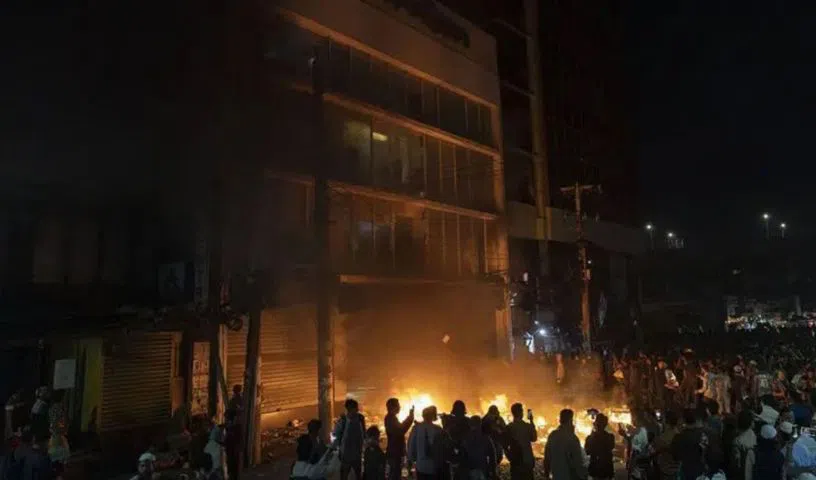
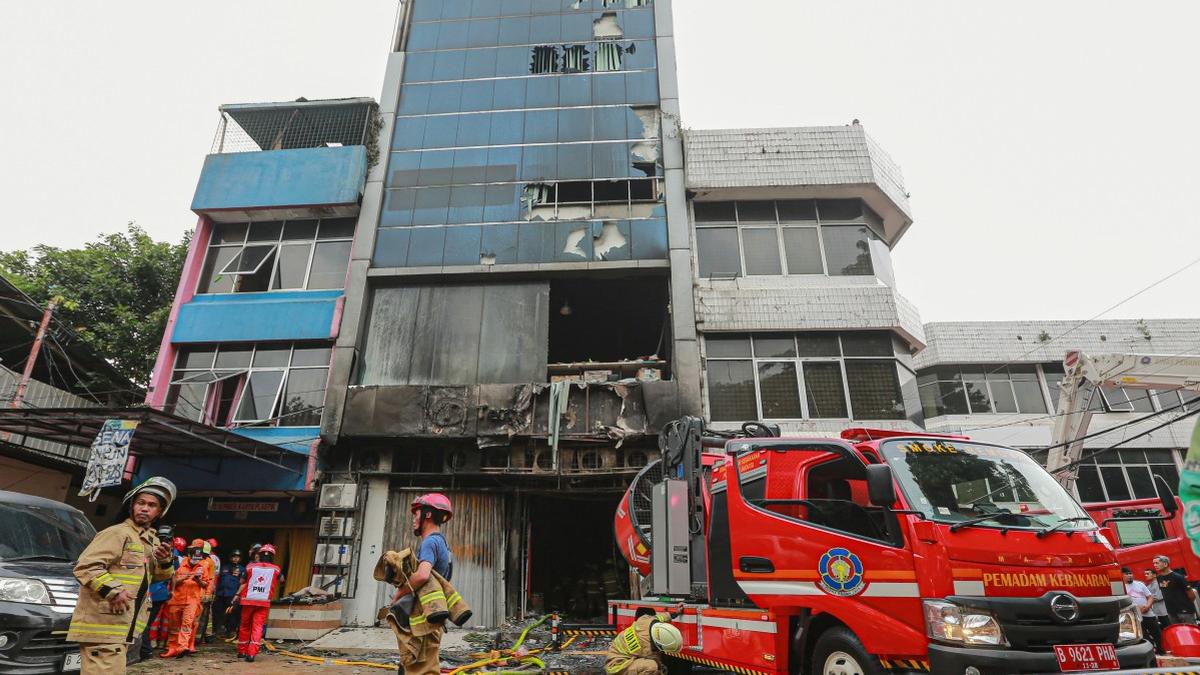
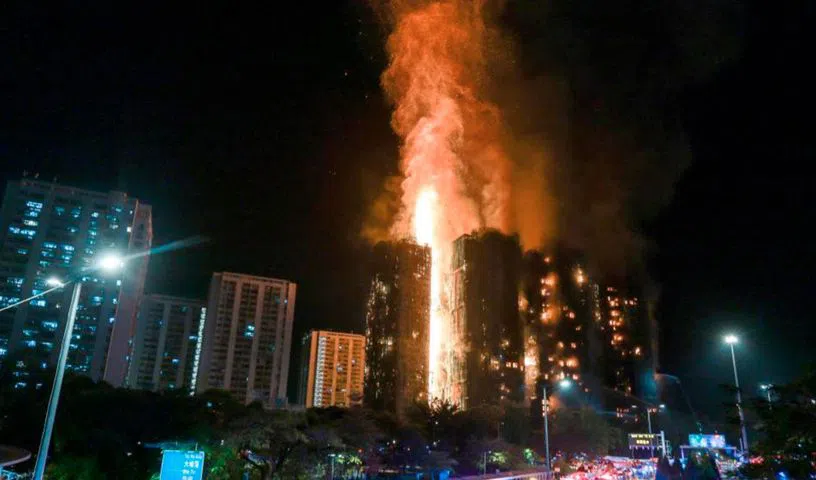
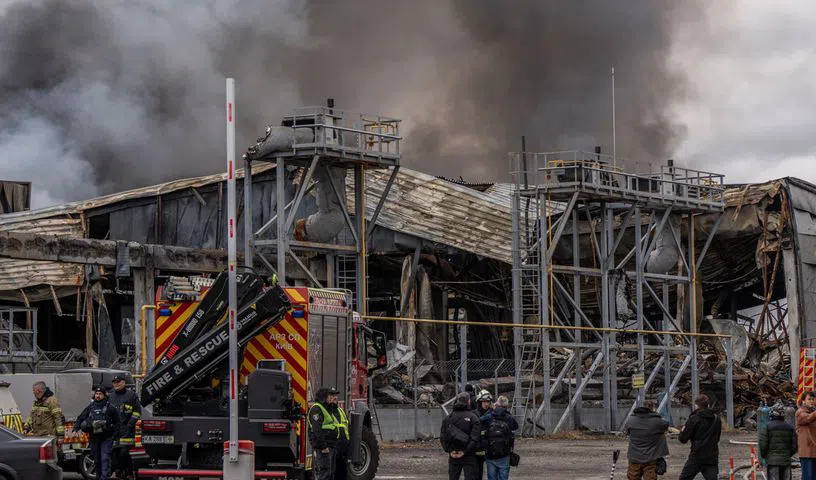
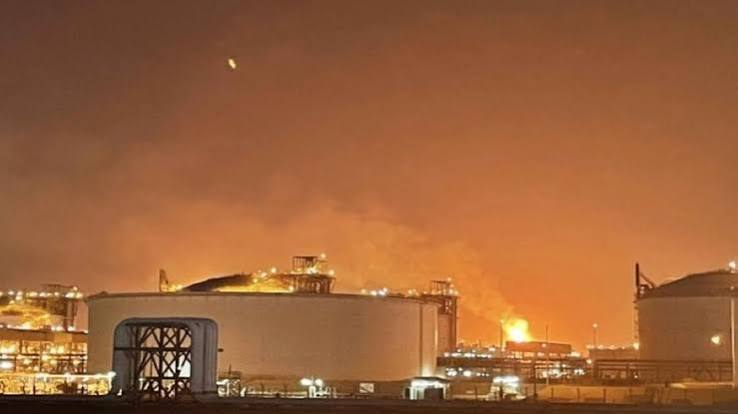
Doha: A massive explosion at the Barzan gas processing plant in Qatar's Ras Laffan Industrial City has triggered concerns across global energy markets. According to initial reports, at least 54 people were injured, while 18 others remain missing after the late-night incident, which sparked a major fire at one of the world's most important natural gas facilities. The explosion occurred at the strategically important Ras Laffan gas complex, a key pillar of Qatar's energy sector and one of the largest liquefied natural gas (LNG) export hubs in the world. Emergency response teams rushed to the site and launched rescue and firefighting operations. The incident comes at a time when Qatar has been working to restore and expand gas production following earlier disruptions caused by regional tensions and security concerns in the Gulf region. Why Ras Laffan Matters Located around 80 kilometers northeast of Doha on the Persian Gulf coast, Ras Laffan serves as a critical energy gateway connecting the Middle East with major economies in Asia and Europe. The facility exports LNG to more than 30 countries worldwide, including India, Japan, South Korea, China, and several European nations. Any disruption in operations at Ras Laffan has the potential to impact global energy prices and supply chains, given its central role in the international LNG market. Potential Impact on India India is among the largest importers of Qatari LNG, with nearly 40 to 47 percent of the country's LNG imports coming from Qatar through the Strait of Hormuz. In 2024, India and Qatar signed a long-term agreement worth $78 billion, under which Qatar will supply 7.5 million tonnes of LNG annually for 20 years beginning in 2028. Qatari LNG plays a crucial role in India's: Electricity generation sector Fertilizer production industry Manufacturing and industrial operations Domestic and commercial energy requirements Compared with LNG imports from the United States and Africa, supplies from Qatar remain significantly more cost-effective due to shorter transportation routes and lower logistics costs. Global Energy Markets on Alert The explosion has once again highlighted the vulnerability of global energy supply chains and the importance of securing critical energy infrastructure. Analysts warn that any prolonged disruption in Qatar's gas production could lead to higher energy prices and increased volatility in international markets. Authorities are continuing rescue operations and investigating the exact cause of the explosion, while energy markets closely monitor developments at one of the world's most important LNG facilities.

Related Articles