
- KR Bharat
- 2025-12-17
Winter Heart Risk: Why Blood Pressure Rises in Cold Months
Doctors are warning that blood pressure often rises during winter, even in seemingly mild weather, due to a combination of physiological and lifestyle factors. While many associate winter with comfort and leisure, medical experts stress that the season poses hidden risks, especially for people with pre-existing heart or blood pressure conditions.
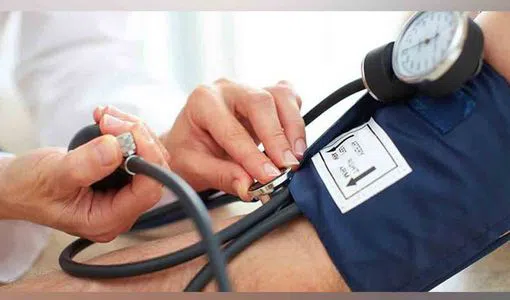
Studies show that blood pressure is generally higher in winter and lower in summer, a phenomenon well-documented in the medical community but not widely recognized by the public. The primary reason is vasoconstriction—the narrowing of blood vessels in response to cold, which helps retain body heat but increases the pressure required to pump blood.
Dr Sudhir Kumar, senior neurologist and public health speaker from Hyderabad, explained that blood pressure can rise by 5 to 10 mmHg (systolic) during cold months. “While a slight increase is normal, it is a critical warning for anyone managing hypertension or heart disease,” he said.
Apart from vasoconstriction, Dr Kumar highlighted the role of the body’s stress response in winter. “Cold activates the sympathetic nervous system, releasing stress hormones like adrenaline and noradrenaline, which naturally elevate heart rate and blood pressure,” he said.
Other contributing factors include reduced physical activity, lower exposure to sunlight causing Vitamin D deficiency, and lifestyle changes during winter.
Doctors urge elderly individuals and patients with hypertension, diabetes, kidney, or heart ailments to monitor their blood pressure regularly, adhere to medications, and maintain physical activity even during cold months. Awareness and preventive measures are key to avoiding winter-related cardiovascular complications.